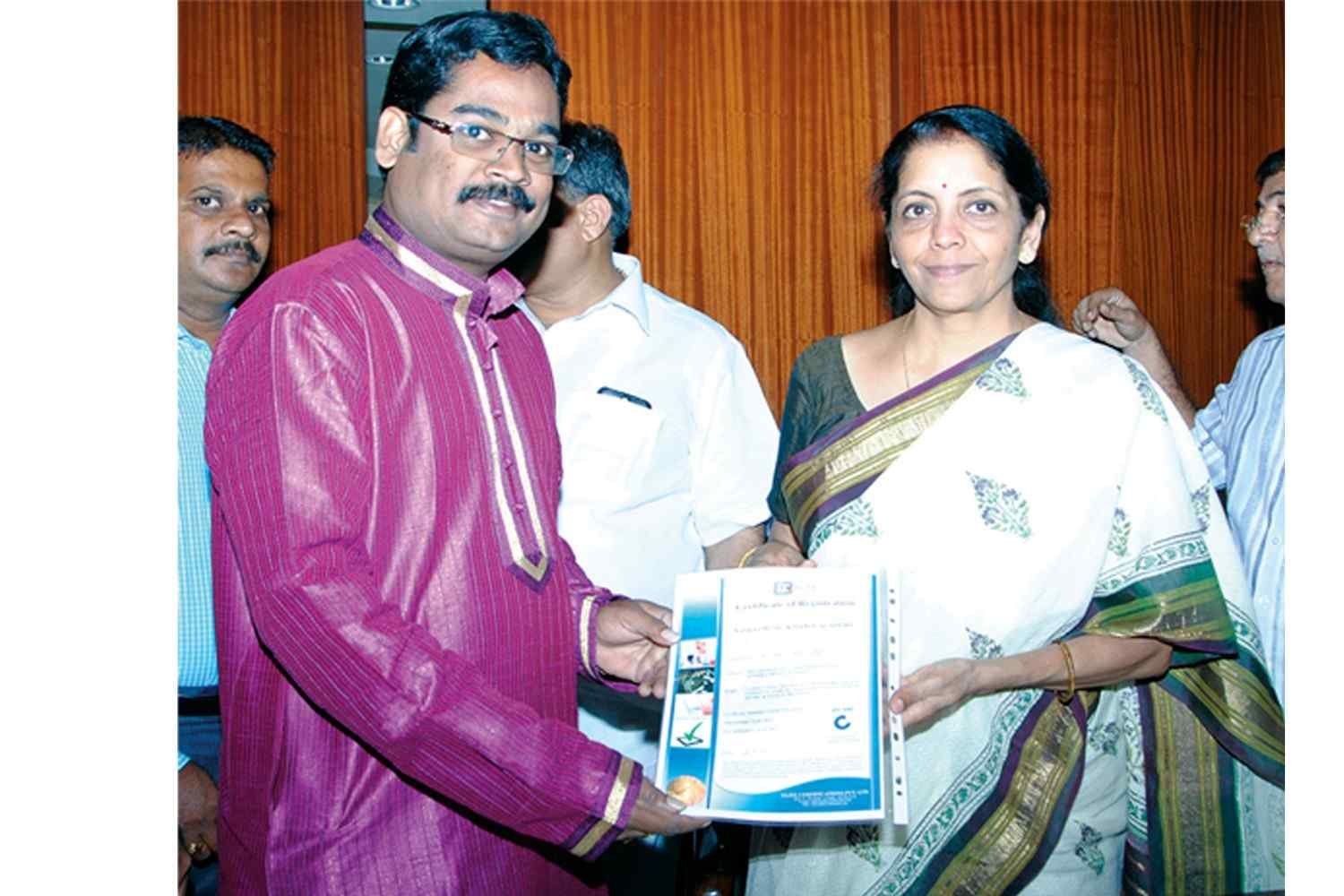
Indian classical dance has traditionally served as a medium for storytelling, devotion and cultural expression. In the hands of contemporary artistes, however, its vocabulary can also be used to communicate pressing social concerns. Vikram Kumar B R, widely known as Bathina Vikram Goud, has explored this possibility through his thematic production “Swachh Ganga – Swachh Bharat.”
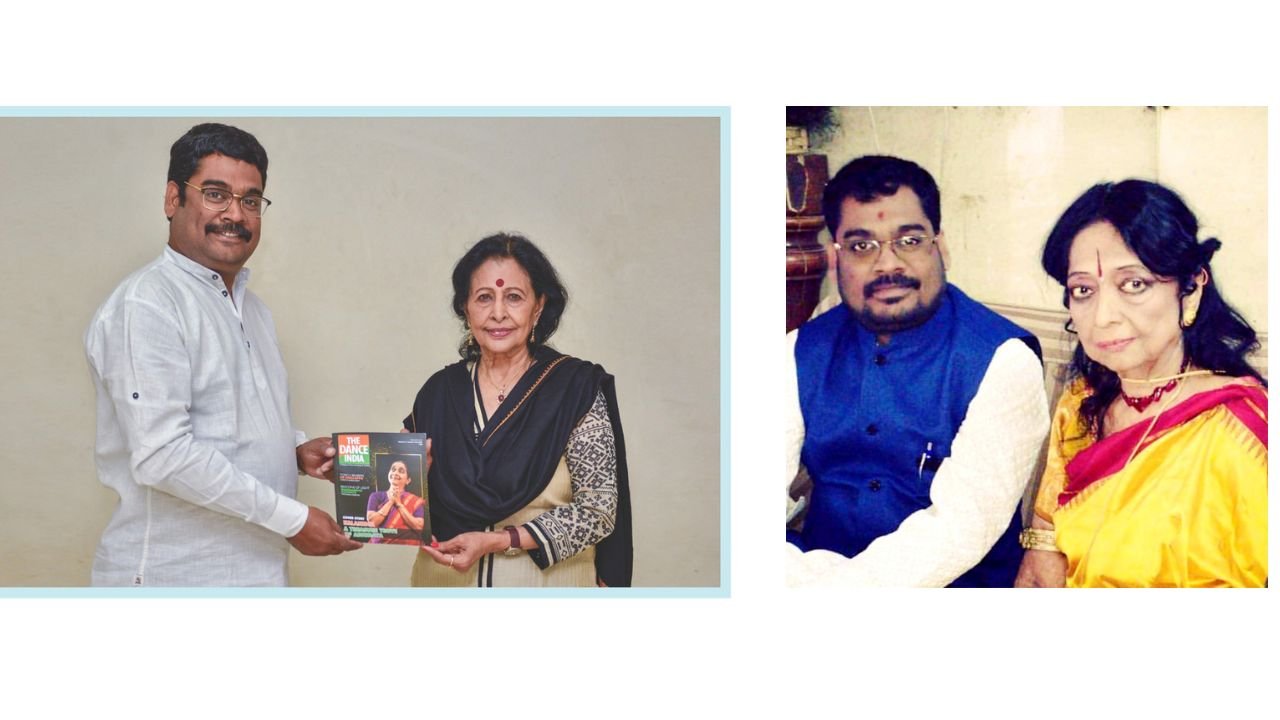
The production represents an effort to connect India’s classical dance heritage with the modern need for environmental awareness, particularly issues surrounding clean water and the protection of natural resources.
A Traditional Story with a Contemporary Message
Swachh Ganga – Swachh Bharat draws inspiration from Bhagiratha Vilasam, a traditional narrative connected with the descent of the River Ganga to Earth.
The story of Bhagiratha has deep associations with perseverance, devotion and the arrival of the sacred river. Vikram Kumar’s production uses this traditional foundation to introduce a contemporary message about cleanliness, water conservation and environmental responsibility.
By presenting these ideas through dance, the production creates a connection between India’s cultural memory and present-day environmental concerns.
The central concept demonstrates how a familiar traditional narrative can be interpreted in a way that encourages audiences to consider the condition and importance of water resources in modern society.
Classical Dance as a Medium of Awareness
Dance is often understood primarily as a performing art, but it can also communicate ideas without depending on lengthy speeches or written explanations.
In a thematic production, movement, facial expressions, music, costumes, choreography and narrative structure work together to communicate a central idea.
Swachh Ganga – Swachh Bharat uses this combination to bring environmental awareness into the space of classical dance.
The production illustrates Vikram Kumar’s wider artistic philosophy that classical arts can remain relevant when they engage with contemporary society while retaining their traditional artistic foundations.
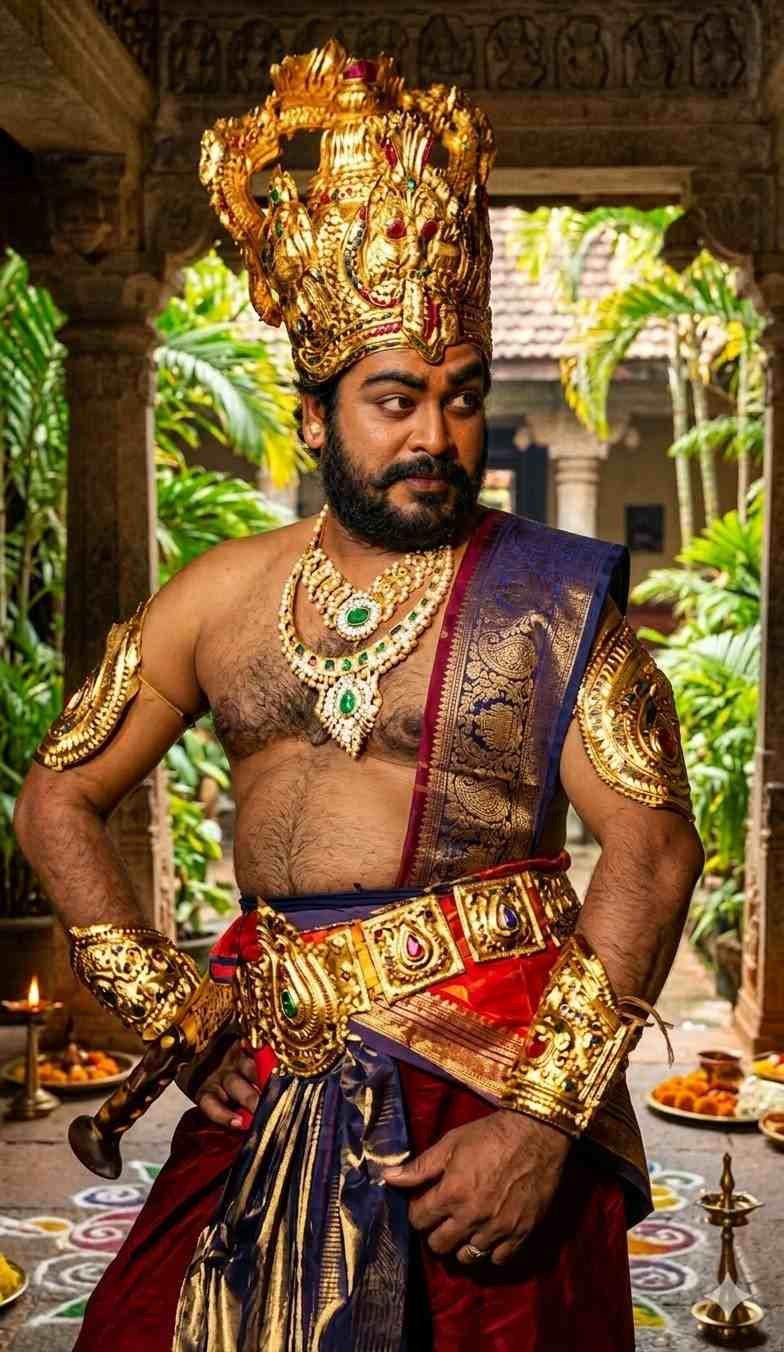
Vikram Kumar’s Journey from Dance to Thematic Choreography
Vikram Kumar’s ability to develop such productions has been shaped by his long association with Kuchipudi, theatre and academic study.
His artistic journey began during childhood and continued through formal training. He completed a Master of Arts in Kuchipudi with distinction from Andhra University.
His academic work also included research into Siva Thandavam and Saptha Thandavam, giving him an opportunity to examine the theoretical and historical dimensions of Indian dance.
Alongside dance, he studied Acting and Direction at Andhra University and spent around ten years contributing to its Department of Theatre Arts.
The combination of these experiences provided him with exposure to both classical technique and dramatic storytelling.
Bringing Environmental Issues to the Stage
Environmental issues are often discussed through government campaigns, educational programmes, documentaries and public awareness initiatives. A dance production offers a different route.
By placing environmental concerns within a cultural narrative, the message can reach audiences through emotion and visual storytelling.
The association with the Ganga also gives the subject a strong cultural dimension. Rivers have played an important role in Indian history, literature, mythology and social life.
The production therefore connects two ideas: the cultural significance of rivers and the practical need to protect clean water.
The Significance of Bhagiratha
The figure of Bhagiratha is particularly suitable for a production built around perseverance and the arrival of Ganga.
Traditional storytelling presents Bhagiratha’s efforts as an extraordinary example of determination. Vikram Kumar’s adaptation uses this cultural memory as a starting point for a wider contemporary message.
The story can encourage audiences to view environmental responsibility not simply as a modern administrative issue but also as a matter connected with the preservation of India’s cultural and natural heritage.
Beyond Conventional Dance Recitals
Swachh Ganga – Swachh Bharat is part of Vikram Kumar’s larger body of thematic choreographic work.
His productions include Chenchu Lakshmi Narasimha Kalyanam, Maha Visakha Vaibhavam, Sri Krishna Leelalu, Society for Future and Youth Never Sleeps.
The subjects vary considerably, demonstrating his willingness to use dance for different forms of storytelling.
Some productions explore mythology and regional culture, while others address contemporary social themes.
This variety reflects an understanding of choreography as more than the arrangement of dance movements. It involves selecting a subject, developing its narrative and determining how the audience should experience its central message.
The Influence of Theatre
Vikram Kumar’s theatre background is also significant in understanding his thematic approach.
During his association with Andhra University’s Department of Theatre Arts, he participated in mythological, social and philosophical plays.
Theatre requires performers and directors to think about narrative development, characterisation, pacing and audience engagement. These principles can also be important in large dance productions.
A thematic ballet must allow audiences to understand the progression of the story while simultaneously appreciating the artistic qualities of the dance.
Building a Culture of Participation
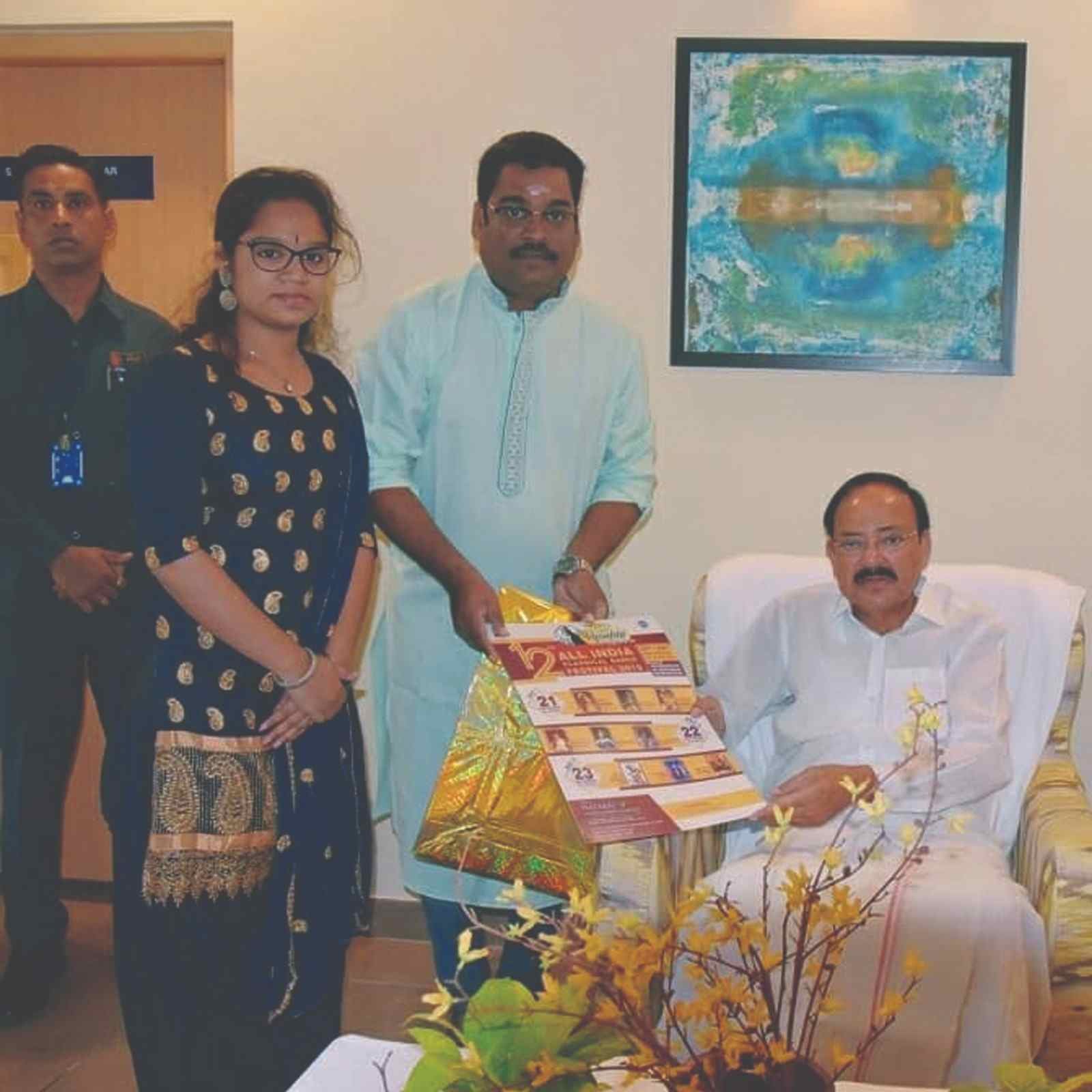
Vikram Kumar has also worked to create institutions and platforms through which audiences and young artistes can engage with Indian performing arts.
He founded the Nataraj Music and Dance Academy in 2000, an institution focused on training and cultural activities. Its work has included Kuchipudi, Indian folk traditions, Indian classical music and instrumental music.
Through workshops, seminars, competitions, festivals and performances, such institutions provide opportunities for people to experience Indian arts in different ways.
Environmental-themed productions can become part of this wider cultural education by showing that classical arts can engage with issues beyond the conventional performance repertoire.
Preservation Through Relevance
Vikram Kumar has consistently emphasised the importance of preserving India’s artistic heritage.
His approach to preservation extends beyond movements and performances to include literature, repertoire, choreography, music, gurus, practitioners, performance practices and documentation.
Keeping classical arts relevant is an important part of this broader mission.
A production like Swachh Ganga – Swachh Bharat demonstrates how a traditional art form can participate in contemporary public discussion without abandoning its cultural identity.
The production does not require classical dance to become something other than classical dance. Instead, it uses the established artistic language to communicate a modern concern.
Connecting Heritage with Responsibility
The cultural significance of rivers and the environmental challenges facing them make the subject particularly relevant.
India’s classical traditions contain numerous references to nature, rivers, seasons and the relationship between human beings and the natural world. Contemporary environmental awareness can therefore be presented as an extension of a much older cultural sensitivity toward nature.
Through Swachh Ganga – Swachh Bharat, Vikram Kumar brings this relationship into a performance context.
The result is a production where mythology, classical dance and environmental awareness meet on the same stage.
A Model for Contemporary Cultural Expression
The production reflects a broader possibility for Indian classical arts in the modern era.
Traditional dance does not have to remain limited to historical subjects. At the same time, contemporary themes can be approached through the discipline and aesthetic principles of classical performance.
Vikram Kumar’s work demonstrates how these two directions can coexist.
By using the story of Bhagiratha and the cultural importance of the Ganga as a foundation, Swachh Ganga – Swachh Bharat creates an artistic pathway for discussing cleanliness, water and environmental responsibility.
For Vikram Kumar B R, the production is part of a continuing effort to ensure that Indian classical arts remain active forms of communication—capable of preserving cultural memory while speaking directly to the concerns of today’s society.